
Have you ever wondered what makes jasmine tea benefits so captivating that this fragrant floral brew has been cherished in China for over a thousand years? It is not merely the intoxicating aroma or the delicate sweetness that lingers on the palate—it is the remarkable union of green tea’s powerful catechins with the calming, therapeutic compounds of jasmine blossoms, creating a beverage that nourishes both body and spirit.
Jasmine tea is traditionally made by scenting green tea leaves with fresh jasmine blossoms—a meticulous process that can involve up to seven rounds of layering. The result is a tea that combines the antioxidant prowess of green tea with the mood-enhancing properties of jasmine’s aromatic compounds. In this guide, we will explore nine science-backed jasmine tea benefits and explain why the vessel you choose can elevate every sip into a moment of fragrant ritual.
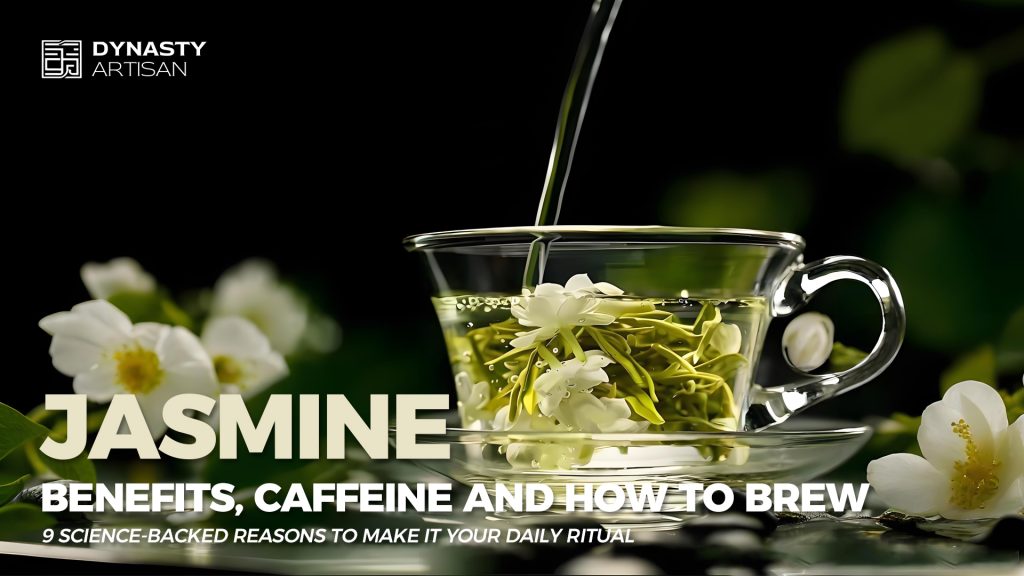
Table of Contents
What Makes Jasmine Tea Unique?
Jasmine Tea Caffeine: What You Need to Know
Jasmine Tea Benefits for Stress Relief and Mood Enhancement
Jasmine Tea Benefits for Heart Health and Cardiovascular Protection
Jasmine Tea Benefits for Weight Management and Metabolism
Jasmine Tea Benefits for Antioxidant Defense
Jasmine Tea Benefits for Blood Sugar Regulation
Jasmine Tea Benefits for Gut Microbiome and Digestive Health
Jasmine Tea Benefits for Oral Health
How to Brew the Perfect Cup
Choosing the Right Vessel
FAQ
Conclusion
Elevate Your Tea Ritual with Dynasty Artisan
Research and References
1. What Makes Jasmine Tea Unique?
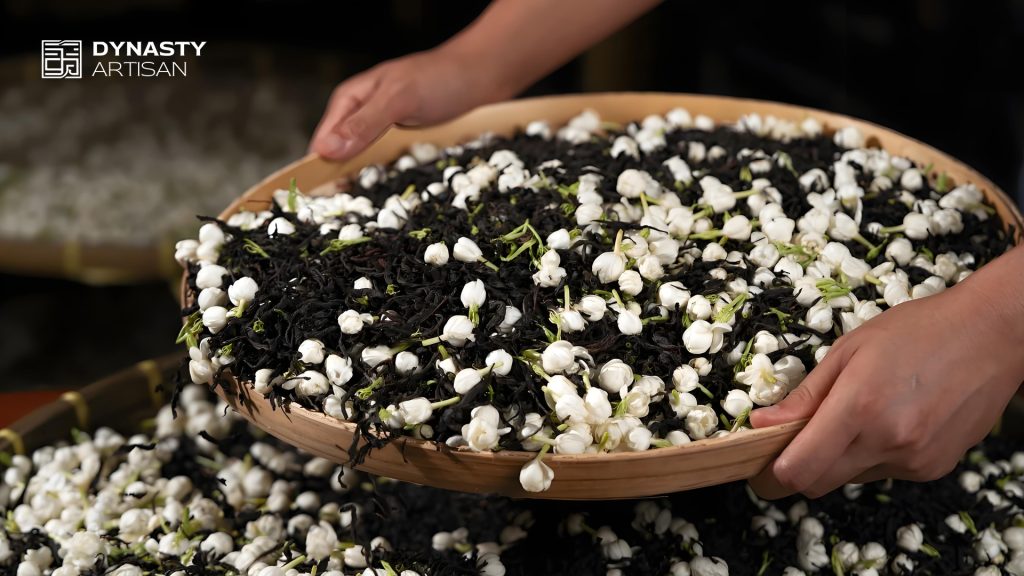
All scented teas are not created equal, and jasmine tea stands apart through its artisanal scenting process. The tea base—typically green tea, though sometimes white or black—is layered with freshly picked jasmine blossoms during the evening hours when the flowers release their most potent fragrance. This layering is repeated multiple times until the tea leaves have fully absorbed the jasmine aroma.
The result is a tea that offers the best of both worlds: the abundant catechins and polyphenols of green tea, combined with the calming aromatic compounds of jasmine. Jasmine tea contains a wide range of bioactive compounds that offer numerous health benefits, including antioxidant, antidepressant, hypoglycemic, antibacterial, and immunomodulatory effects. This extraordinary synergy is why jasmine tea benefits are so diverse and why this fragrant brew continues to captivate tea lovers around the world.
2. Jasmine Tea Caffeine: What You Need to Know
Jasmine tea contains caffeine—approximately 20–30 mg per 8-ounce cup when made with a green tea base, similar to standard green tea. The caffeine content can vary slightly depending on the tea base used, with jasmine white tea containing less and jasmine black tea containing slightly more.
Like green tea, jasmine tea also contains L-theanine, an amino acid that promotes relaxation without drowsiness. The pairing of caffeine and L-theanine delivers a calm yet alert state of mind—in contrast to the jittery rush often experienced with coffee. This makes jasmine tea an ideal choice for those seeking gentle, sustained energy alongside a moment of aromatic tranquility.
3. Jasmine Tea Benefits for Stress Relief and Mood Enhancement
Perhaps the most celebrated jasmine tea benefits are those for the mind. The aroma of jasmine tea has been shown to exert sedative effects on the autonomic nervous system, helping to calm the mind and reduce stress.
The Aroma Advantage
Past research suggests that the fragrance of jasmine tea can help calm the nervous system and boost mood. In one study, the aroma of jasmine tea improved mood and had a calming effect on the autonomic nervous system, which controls breathing, heart rate, and digestion. The soothing aroma of jasmine has been found to ease stress, anxiety, and nervous exhaustion.
The L-Theanine Effect
Beyond the aroma, jasmine tea contains L-theanine, which can trigger the release of gamma-aminobutyric acid (GABA), a neurotransmitter associated with reduced stress and anxiety. This combination of aromatic and biochemical pathways makes jasmine tea a uniquely effective tool for relaxation.
Depression Management
Emerging research has revealed even more profound mental health benefits. A 2025 study using a rat model of depression found that jasmine tea extract significantly alleviated depressive behaviors, reduced brain tissue damage, and restored cognitive function. The study demonstrated that jasmine tea works through the microbiota-gut-brain axis, modulating gut microbiota composition in favour of beneficial bacteria and restoring metabolic balance. These findings highlight jasmine tea’s potential as a dietary intervention for depression management.
4. Jasmine Tea Benefits for Heart Health and Cardiovascular Protection
Jasmine tea has been consistently linked to improved cardiovascular health through multiple mechanisms, making it a valuable addition to any heart-healthy lifestyle.
Cholesterol and Lipid Support
Research has demonstrated that jasmine tea possesses significant serum and liver cholesterol-lowering effects. Jasmine green tea epicatechin isomers have shown strong inhibitory effects on the oxidation of LDL cholesterol—a key step in the development of atherosclerosis. The inhibitory effect is dose-dependent, with ECG and EGCG demonstrating similar antioxidant activity.
Broader Cardiovascular Protection
Jasmine tea polyphenols protect against arterial plaque formation and help lower LDL cholesterol. Studies have found that people who drink green tea—the base of most jasmine tea—had both LDL and total cholesterol levels lower than those of non-tea drinkers. Drinking jasmine tea has also been linked to lower blood pressure.
5. Jasmine Tea Benefits for Weight Management and Metabolism
Jasmine tea has emerged as a promising natural ally for healthy weight management, with multiple studies validating its efficacy.
Clinical and Animal Evidence
Research has demonstrated that jasmine tea can boost metabolism and aid in fat burning, making it a helpful addition to a weight-loss diet. A 2022 study found that cold-brewed jasmine tea can significantly attenuate high-fat diet-induced body weight gain, abnormal serum lipid levels, fat deposition, and hepatic injury.
Mechanisms of Action
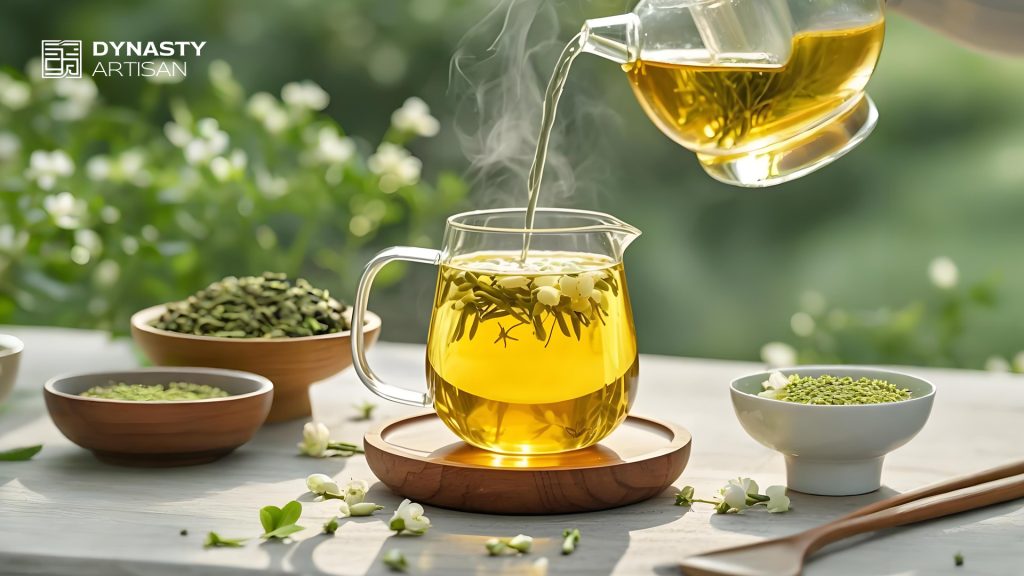
The caffeine and catechins in jasmine green tea can boost metabolism, aiding in weight reduction and promoting fat burning. Jasmine tea has been shown to aid in weight loss by speeding up metabolism, allowing the body to process nutrients and macronutrients more quickly. The tea also influences the absorption of dietary fat and cholesterol, contributing to its weight management effects. These jasmine tea benefits for weight management make it a natural ally for those seeking a balanced approach to body composition.
6. Jasmine Tea Benefits for Antioxidant Defense
Oxidative stress is a key driver of ageing and chronic diseases. Fortunately, jasmine tea is one of the most potent natural sources of antioxidants available.
The Catechin Profile
Jasmine tea is exceptionally rich in catechins, with EGCG being the most abundant (51.2%), followed by EGC (18.7%), EC (12.3%), and ECG (11.8%). Jasmine tea contains a wide range of polyphenolic antioxidants that help protect cells from disease-causing oxidative damage.
Superior Antioxidant Activity
Studies have demonstrated that jasmine tea exerts strong antioxidant activity. In fact, research on commonly consumed beverages found that jasmine tea demonstrated greater antioxidant capacity than black tea and oolong tea. The antioxidant activities of jasmine tea have been shown to be comparable to—and in some cases exceeding—those of standard green tea.
Whole-Leaf Protection
Because jasmine tea is typically made with green tea as its base, it shares green tea’s high levels of catechins. The polyphenols in jasmine tea act as antioxidants which help protect cells from disease-causing oxidative damage. A comprehensive review confirmed that jasmine tea offers numerous health benefits, including antioxidant, antidepressant, hypoglycemic, antibacterial, and immunomodulatory effects.
7. Jasmine Tea Benefits for Blood Sugar Regulation
Emerging evidence suggests that jasmine tea may be a valuable ally in managing blood sugar and supporting metabolic health.
Anti-Hyperglycemic Effects
A 2025 study published in Food Bioscience found that jasmine green tea administration significantly reduced fasting blood glucose, improved glucose tolerance, and enhanced pancreatic β-cell function in type 2 diabetic rats. The study also demonstrated that jasmine tea improved insulin sensitivity, as reflected by decreased HOMA-IR and increased HOMA-β and serum insulin levels.
Metabolic Restoration
Jasmine tea restored liver glycogen and improved pancreatic islet morphology. Serum markers of hepatic, renal, and cardiac injury were significantly ameliorated. These findings underscore the therapeutic potential of jasmine tea for managing type 2 diabetes and its associated complications.
Multi-Organ Protection
Beyond glucose control, jasmine tea enhanced antioxidant defense in the pancreas, liver, kidneys, and heart through elevated activities of SOD, CAT, GSH, and GR, while reducing MDA content. This comprehensive protection makes jasmine tea a valuable addition to any metabolic health regimen.
8. Jasmine Tea Benefits for Gut Microbiome and Digestive Health
Your gut is home to trillions of bacteria that influence everything from immunity to mood. Jasmine tea appears to be a powerful ally in nurturing a healthy microbiome.
Microbiome Modulation
A 2025 study found that jasmine tea extract shifted the gut microbiota composition in favor of beneficial bacteria such as Romboutsia, Blautia, and Monoglobus, while decreasing the abundance of potentially harmful bacteria. The study demonstrated that jasmine tea influenced key metabolic pathways involving tryptophan, short-chain fatty acids, and bile acids, helping to restore metabolic balance.
Digestive Support
Jasmine tea is known to improve digestion by stimulating digestive enzymes. It can help relieve bloating, indigestion, and stomach cramps. Jasmine tea contains polyphenols which can have positive effects on gut bacteria and inflammation.
Obesity Prevention Through Gut Health
A 2022 study on cold-brewed jasmine tea found that it modified the microbial community composition in high-fat diet-fed mice, altering the balance to one closely resembling that of the healthy control group. These findings indicate that jasmine tea might serve as a potential functional tea beverage to prevent obesity and gut microbiota dysbiosis.
9. Jasmine Tea Benefits for Oral Health
Jasmine tea offers well-documented benefits for dental health—making it a smart choice for your daily routine.
Antibacterial Protection
The antibacterial properties of jasmine tea may help improve oral health by reducing bacteria in the mouth, potentially preventing cavities and gum disease. Jasmine tea has been shown to kill mouth bacteria, prevent tooth decay, and help cure bad breath.
Antimicrobial Activity
Jasmine tea polyphenols have demonstrated the ability to reduce the growth of cariogenic bacteria and decrease the adherence of bacteria to the tooth surface. Research on jasmine tea’s antimicrobial activity against cariogenic streptococci has confirmed its effectiveness in combating oral pathogens.
Anti-Inflammatory Support
Jasmine tea’s anti-inflammatory properties may help alleviate inflammation in the body, contributing to overall well-being. For those seeking a natural approach to oral care, jasmine tea offers a gentle yet effective option.
10. How to Brew the Perfect Cup
To unlock the full spectrum of jasmine tea’s delicate flavour and health compounds, how you brew matters as much as the quality of the tea itself.
Water Temperature and Steeping Time
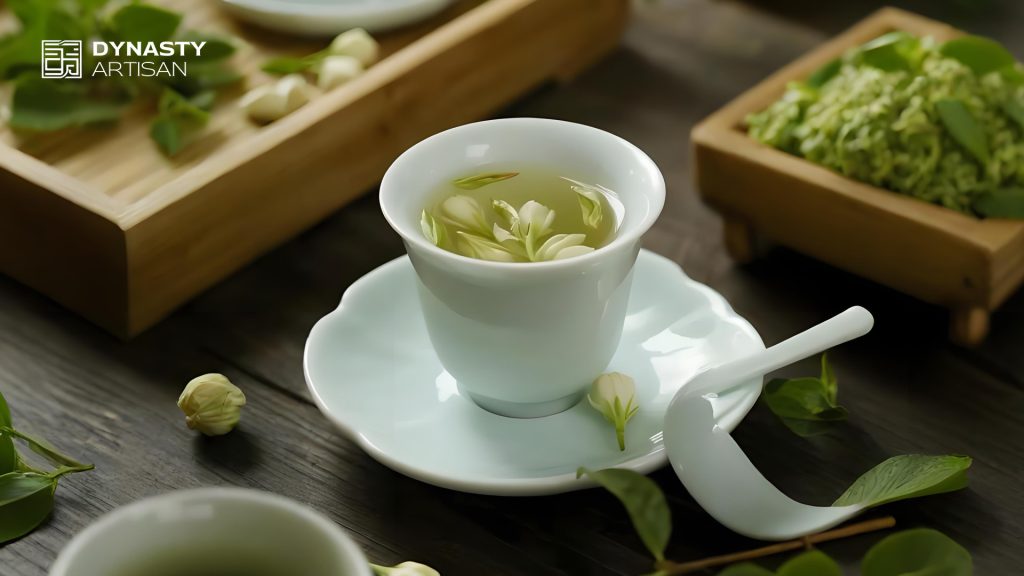
Jasmine tea, typically made with a green tea base, requires gentler treatment than black tea. Use water at 160–180°F (70–80°C) —never boiling, as boiling water can scorch the delicate leaves and destroy the jasmine fragrance. Steep for 2 to 3 minutes. A shorter steep preserves the floral notes; a longer steep draws out more catechins but can become slightly astringent.
Hot vs. Cold Brewing
While hot brewing is traditional, cold-brewed jasmine tea has gained popularity for its distinctive flavor and health benefits. Cold brewing has been shown to prevent the oxidation process of tea polyphenols, protect nutrient integrity, and maintain premium flavor. Research has also confirmed that cold-brewed jasmine tea can significantly attenuate high-fat diet-induced body weight gain and metabolic abnormalities.
Loose Leaf vs. Tea Bags
For the richest experience, choose loose leaf jasmine tea. Loose leaves allow the tea to unfurl fully and release their complete character into the water. The scenting process is more effective with whole leaves, and they retain more essential oils and intact polyphenol structures.
11. Choosing the Right Vessel
The vessel you drink from is far more than a container—it is the silent partner in your tea ritual. The material, thickness, and craftsmanship all influence how the tea feels in your hands and how its fragrance unfolds sip by sip.
Why Handcrafted Ceramics Matter
A well-made ceramic piece retains heat with a gentle consistency that glass or metal cannot replicate. It breathes subtly, allowing the tea to express itself fully, and its weight and texture anchor you in the present moment. At Dynasty Artisan, we believe that every cup of tea deserves a vessel shaped by human intention—not by a machine. Our artisans inherit techniques refined over generations, pouring their heritage into every curve, glaze, and firing. When you drink from a handmade piece, you are not just holding tea; you are holding a story.
12. FAQ
Q: How much jasmine tea should I drink daily for the benefits?
A: Most research points to 2–4 cups per day. Benefits have been observed with regular consumption at these levels.
Q: Does jasmine tea have more caffeine than green tea?
A: Jasmine tea typically has a similar caffeine content to its base tea. When made with green tea, it contains approximately 20–30 mg per cup—the same as standard green tea.
Q: Is jasmine tea the same as green tea?
A: Not exactly. Jasmine tea is green tea that has been scented with jasmine blossoms. It shares green tea’s health benefits while adding the unique aromatic and calming properties of jasmine.
Q: Can I drink jasmine tea if I’m pregnant?
A: Pregnant women should limit caffeine to under 200 mg per day, which equates to roughly 6–8 cups of jasmine tea. Always consult your healthcare provider for individual guidance.
Q: Is jasmine tea safe for everyday consumption?
A: Absolutely. For most healthy adults, daily jasmine tea consumption is both safe and beneficial. Those with iron-deficiency anaemia should avoid drinking it with meals, as tannins can inhibit non-heme iron absorption.
13. Conclusion
Jasmine tea is a remarkable confluence of fragrance, tradition, and science. From its potent catechins to its unique aromatic compounds, from its proven stress-relieving and antidepressant effects to its support for heart health, weight management, and gut health, it offers a holistic package of wellness that few other beverages can match.
However, beyond the data, jasmine tea invites us to slow down, to breathe deeply, and to connect with a tradition that has honoured the delicate art of scenting for over a millennium. When you brew that perfect cup, you are not just drinking tea—you are participating in a ritual that honours both your body and your spirit.
14. Elevate Your Tea Ritual with Dynasty Artisan
A truly exceptional jasmine tea deserves a vessel that honours its delicacy and fragrance. That is why we at Dynasty Artisan pour our passion into creating handcrafted ceramics that carry the soul of ancient craftsmanship into your daily life. Our pieces are not moulded by machines—they are shaped by skilled hands, glazed with unique recipes, and fired with meticulous care. Whether you need a delicate cup for your morning jasmine tea, a robust teapot for sharing, or a matcha bowl for your whisking ritual, you will find pieces that resonate with your personal story and elevate every sip.
Explore our curated collection of Handmade Teapots and discover the joy of drinking from a piece made for you, not for a conveyor belt. Your tea ritual deserves that texture, that weight, that beauty. Your hands—and your soul—will thank you.
15. Research and References
-
“Jasmine tea extract prevents CUMS-induced depression-like behaviors through the modulation of microbiota-gut-brain axis.” (2025). Food Research International. Demonstrates jasmine tea’s antidepressant effects through the microbiota-gut-brain axis.
-
Xiao, X., Erukainure, O. L., Guo, Y., et al. (2025). “Jasmine green tea improves glucose homeostasis and antioxidant activities with concomitant hypolipidemic activity in type 2 diabetic rats.” Food Bioscience, 69, 107011. Confirms anti-hyperglycemic, lipid-lowering, and antioxidant effects.
-
“Cold-Brewed Jasmine Tea Attenuates High-Fat Diet-Induced Obesity and Gut Microbial Dysbiosis.” (2022). Nutrients, 14(24), 5359. Demonstrates weight management and gut microbiome benefits.
-
“Inhibitory effect of jasmine green tea epicatechin isomers on LDL-oxidation.” (2024). Confirms strong antioxidant activity and LDL oxidation inhibition.
-
Kuroda, K., Inoue, N., Ito, Y., et al. “Sedative effects of the jasmine tea odor and (R)-(-)-linalool on autonomic nerve activity and mood states.” Demonstrates calming effects of jasmine tea aroma.
-
“Jasmine tea: unveiling the secrets of processing, flavor characteristics, and potential health benefits.” (2025). Critical Reviews in Food Science and Nutrition. Comprehensive review confirming antioxidant, antidepressant, hypoglycemic, antibacterial, and immunomodulatory effects.