
Have you ever wondered what makes matcha benefits so extraordinary that this vibrant green powder has been at the heart of Japanese tea ceremonies for over eight centuries? It is not merely the striking colour or the rich, umami flavour—it is the remarkable fact that when you drink matcha, you are consuming the entire tea leaf in powdered form, delivering a concentration of nutrients and bioactive compounds that no steeped tea can match.
Matcha is shade-grown for 20 to 25 days before harvest, a process that boosts chlorophyll and amino acid production while dramatically increasing catechin content. The leaves are then stone-ground into a fine powder, preserving every single nutrient. This means matcha provides up to 137 times more EGCG—the most potent catechin—than standard green tea. In this guide, we will explore nine science-backed matcha benefits and explain why the vessel you choose can elevate every sip into a moment of quiet ceremony.

Table of Contents
What Makes Matcha Unique?
Matcha Caffeine: What You Need to Know
Matcha Benefits for Cognitive Function and Mental Clarity
Matcha Benefits for Heart Health and Cardiovascular Protection
Matcha Benefits for Weight Management and Metabolism
Matcha Benefits for Antioxidant Defense
Matcha Benefits for Gut Microbiome and Digestive Health
Matcha Benefits for Blood Sugar Regulation
Matcha Benefits for Oral Health
How to Brew the Perfect Cup
Choosing the Right Vessel
FAQ
Conclusion
Elevate Your Tea Ritual with Dynasty Artisan
Research and References
1. What Makes Matcha Unique?
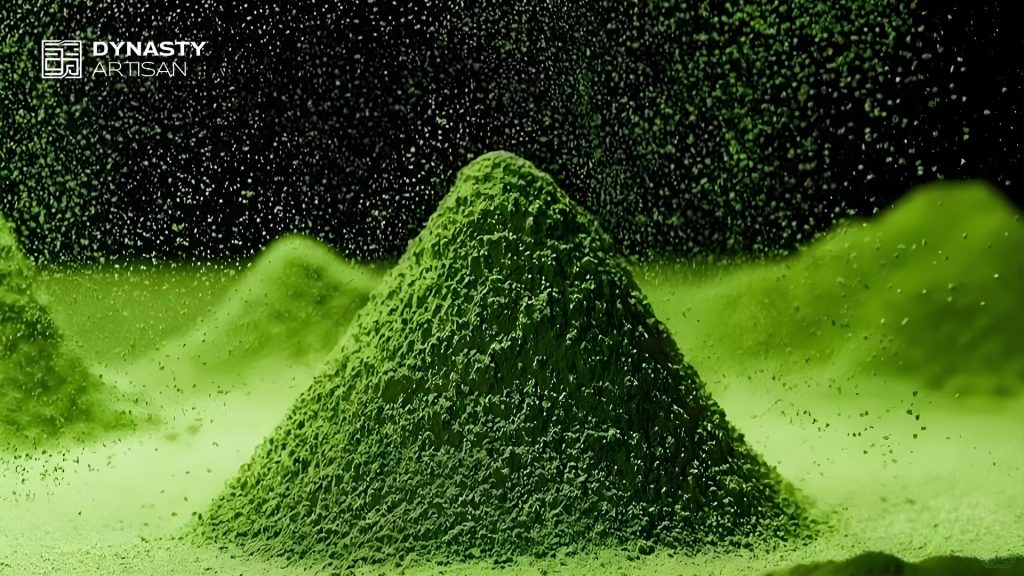
All green teas come from the Camellia sinensis plant, but matcha stands apart through its cultivation and consumption. The tea plants are shaded for three to four weeks before harvest, a technique that forces the leaves to produce higher levels of theanine and caffeine while reducing astringent catechins. After harvest, the stems and veins are removed, and the remaining leaf—known as tencha—is stone-ground into a fine, vibrant green powder.
When you drink steeped green tea, you are consuming only the water-soluble compounds that infuse into the hot water. However, when you drink matcha, you are consuming the entire leaf—every nutrient, every antioxidant, every fibre. This fundamental difference is why matcha benefits are so potent and why this powdered tea has earned its reputation as a superfood among teas.
2. Matcha Caffeine: What You Need to Know
Matcha contains caffeine—approximately 60–80 mg per 8-ounce cup, which is roughly two to three times more than standard green tea and comparable to a cup of coffee. However, the caffeine in matcha works differently due to its high L-theanine content, an amino acid that promotes relaxation without drowsiness.
The combination of caffeine and L-theanine delivers a state of calm, focused alertness that can last for several hours—without the jittery spikes or sudden crashes associated with coffee. This is why matcha has been treasured by Zen monks for centuries as an aid to meditation: it sharpens the mind while soothing the spirit.
3. Matcha Benefits for Cognitive Function and Mental Clarity
Perhaps the most celebrated matcha benefits are those for the brain. The synergy between caffeine and L-theanine creates a unique cognitive enhancement that no other beverage quite replicates.
Clinical Evidence for Cognitive Improvement
A 12-month randomized, double-blind, placebo-controlled clinical study examining the effects of matcha on older adults with mild cognitive decline found that regular consumption of matcha improved emotional perception and sleep quality. The study, published in 2024, demonstrated that matcha’s combination of EGCG, theanine, and caffeine has beneficial effects on cognitive function and mood.
Focus, Attention, and Stress Reduction
Research shows that the caffeine-theanine combination in matcha can help improve memory, alertness, attention, and concentration. Matcha has also been associated with stress reduction and may help prevent depression. A critical review of matcha research confirmed that randomized clinical trials have shown matcha decreases stress and slightly enhances attention and memory.
Neuroprotective Potential
Matcha’s high EGCG content has been shown to reduce amyloid-β production and insulin resistance, offering potential protection against Alzheimer’s and other neurodegenerative diseases. Matcha exhibits neuroprotective properties while also supporting stress reduction and cognitive function.
4. Matcha Benefits for Heart Health and Cardiovascular Protection
Matcha has been consistently linked to improved cardiovascular health through multiple mechanisms, making it a valuable addition to any heart-healthy lifestyle.
Cholesterol and Lipid Support
Matcha consumption has been shown to reduce total and LDL cholesterol while regulating blood pressure. Studies have found that green tea consumption—and matcha in particular—can significantly lower both systolic and diastolic blood pressure. Catechins, the antioxidants abundant in matcha, appear to be especially helpful for those with elevated blood pressure.
Broader Cardiovascular Protection
Matcha’s high antioxidant content, particularly EGCG, has been attributed to various health benefits including improved blood pressure and cholesterol numbers. By reducing oxidative stress and inflammation, matcha helps protect blood vessels from the damage that can lead to atherosclerosis and heart disease. A comprehensive review confirmed that matcha has beneficial effects on cardio-metabolic health.
5. Matcha Benefits for Weight Management and Metabolism
Matcha has long been associated with healthy weight management, and science is now validating this traditional wisdom.
Thermogenesis and Fat Oxidation
Matcha’s unique combination of catechins and caffeine works synergistically to increase postprandial thermogenesis and fat oxidation. The interaction between polyphenols and caffeine enhances the body’s ability to burn fat, particularly during and after meals.
Anti-Obesity Mechanisms
Research in animal models has demonstrated that matcha halts weight gain, improves blood glucose levels and lipid profiles, and prevents accumulation of visceral and hepatic fat in a dose-dependent manner. Matcha targets the gut-liver axis to alleviate obesity and metabolic disorders induced by a high-fat diet.
Preservation of Metabolic Health
Matcha combined with exercise has been shown to significantly mitigate glycolipid metabolism abnormalities and increase serum antioxidant enzymes. Studies suggest matcha shows promise for diabetes, obesity, and gut microbiota disorders.
6. Matcha Benefits for Antioxidant Defense
Oxidative stress is a key driver of ageing and chronic diseases. Matcha is one of the most potent natural sources of antioxidants available.
The EGCG Advantage
Matcha provides up to 137 times more EGCG than standard green tea. EGCG is the most abundant and bioactive catechin in matcha, responsible for its powerful antioxidant and anti-inflammatory properties. Matcha extracts have demonstrated significant antiglycative activity and high levels of antioxidant compounds.
Comprehensive Cellular Protection
Matcha’s health-promoting properties are attributed to its high content of antioxidant and anti-inflammatory substances. The ground whole tea leaf powder delivers micronutrients and antioxidative phytochemicals—specifically EGCG, theanine, and caffeine—that work together to protect cells from damage. Matcha exhibits anticancer properties and is known for its anti-inflammatory and antioxidant properties.
7. Matcha Benefits for Gut Microbiome and Digestive Health
Your gut is home to trillions of bacteria that influence everything from immunity to mood. Matcha appears to be a powerful ally in nurturing a healthy microbiome.
Microbiome Modulation
Unlike regular green tea, matcha is richer in nutrients such as tea catechins and insoluble dietary fiber. A randomized, double-blinded study evaluating the effect of matcha on human fecal microbiota confirmed that matcha exerts beneficial effects on the gut microbiome.
Gut-Liver Axis
Matcha targets the gut-liver axis to alleviate obesity and metabolic disorders. In animal models, matcha has been shown to protect against lipid accumulation, insulin resistance, inflammation, and gut dysbiosis. Matcha may have a positive impact on obesity by modulating gut microbiota and metabolites.
8. Matcha Benefits for Blood Sugar Regulation
Emerging evidence suggests that matcha may be a valuable ally in managing blood sugar and supporting metabolic health.
Improved Insulin Sensitivity
Matcha contains catechins that may help the body use insulin more effectively and slow sugar absorption after meals. Antioxidants and polyphenols in matcha may help improve insulin sensitivity.
Clinical and Animal Evidence
In animal studies, matcha consumption halted weight gain, improved blood glucose levels, and maintained normal liver functions. Matcha has demonstrated the potential to regulate blood sugar and lipids while ameliorating high-fat diet-induced obesity. Matcha also shows promise for diabetes management.
9. Matcha Benefits for Oral Health
Matcha offers surprising and well-documented benefits for dental health—making it a smart choice for your daily routine.
Gingival Health Improvement
A randomized controlled trial found that daily consumption of matcha tea for one month improved gingival health and decreased oxidative stress markers in patients with localised gingivitis. The study demonstrated an 18% baseline bleeding on probing (BOP) predicted successful transition to gingival health after intervention.
Enhanced Oral Health-Related Quality of Life
Daily consumption of matcha and green tea has been shown to potentially enhance oral health-related quality of life (OHRQOL) for individuals with gingivitis. Matcha has also demonstrated stronger antimicrobial effects and can help protect against periodontal disease.

10. How to Brew the Perfect Cup
To unlock the full spectrum of matcha’s flavour and health compounds, how you prepare it matters as much as the quality of the powder itself.
Traditional Preparation
Sift 1–2 grams (about half a teaspoon) of matcha powder into a bowl to remove clumps. Add 2–3 ounces of water heated to 160–175°F (70–80°C) —never boiling, as boiling water can scorch the delicate powder and create bitterness. Whisk vigorously in a zigzag motion (not circular) until a fine, creamy foam forms on the surface.
Modern Alternatives
For a simpler preparation, matcha can be whisked into warm milk for a latte, blended into smoothies, or even incorporated into baked goods. However, for the full spectrum of matcha benefits, traditional preparation with just water and a whisk is the most direct and purest way to experience this remarkable tea.
11. Choosing the Right Vessel
The vessel you drink from is far more than a container—it is the silent partner in your tea ritual. The material, thickness, and craftsmanship all influence how the tea feels in your hands and how its temperature evolves sip by sip.
Why Handcrafted Ceramics Matter
A well-made ceramic piece retains heat with a gentle consistency that glass or metal cannot replicate. It breathes subtly, allowing the tea to express itself fully, and its weight and texture anchor you in the present moment. At Dynasty Artisan, we believe that every cup of tea deserves a vessel shaped by human intention—not by a machine. Our artisans inherit techniques refined over generations, pouring their heritage into every curve, glaze, and firing. When you drink from a handmade piece, you are not just holding tea; you are holding a story.
12. FAQ
Q: How much matcha should I drink daily for the benefits?
A: Most research points to 1–2 cups per day. A typical serving is 1–2 grams of matcha powder (about half a teaspoon).
Q: Does matcha have more caffeine than coffee?
A: Matcha contains approximately 60–80 mg per cup, which is comparable to a cup of coffee (95 mg). However, the presence of L-theanine provides a calmer, more sustained energy without the crash.
Q: Is matcha the same as green tea?
A: No. While both come from the same plant, matcha is shade-grown and consumed as a whole-leaf powder, providing up to 137 times more EGCG than standard green tea.
Q: Can I drink matcha if I’m pregnant?
A: Pregnant women should limit caffeine to under 200 mg per day, which equates to roughly 2–3 cups of matcha. Always consult your healthcare provider for individual guidance.
Q: Is matcha safe for everyday consumption?
A: Absolutely. For most healthy adults, daily matcha consumption is both safe and beneficial. Those sensitive to caffeine should start with a smaller serving.
13. Conclusion
Matcha is a remarkable confluence of tradition, cultivation, and science. From its unparalleled EGCG content to its unique caffeine-theanine synergy, from its support for cognitive function and heart health to its emerging role in gut microbiome modulation, matcha offers a holistic package of wellness that few other beverages can match.
However, beyond the data, matcha invites us to slow down, to savour, and to connect with a tradition that has honoured the purest expression of the tea leaf for centuries. When you whisk that perfect bowl, you are not just drinking tea—you are participating in a ritual that honours both your body and your spirit.
14. Elevate Your Tea Ritual with Dynasty Artisan
A truly exceptional matcha deserves a vessel that honours its vibrancy and depth. That is why we at Dynasty Artisan pour our passion into creating handcrafted ceramics that carry the soul of ancient craftsmanship into your daily life. Our pieces are not moulded by machines—they are shaped by skilled hands, glazed with unique recipes, and fired with meticulous care. Whether you need a matcha bowl for your whisking ritual, a delicate cup for your morning tea, or a robust teapot for sharing, you will find pieces that resonate with your personal story and elevate every sip.
Explore our curated collection of Handmade Japanese Matcha Bowl and discover the joy of drinking from a piece made for you, not for a conveyor belt. Your tea ritual deserves that texture, that weight, that beauty. Your hands—and your soul—will thank you.
15. Research and References
Arai, T., et al. (2024). “Effect of matcha green tea on cognitive functions and sleep quality in older adults with cognitive decline: A randomized controlled study over 12 months.” PLOS ONE.
UCLA Health. (2025). “UCLA Health dietitian discusses matcha amid global shortage.” Studies show matcha provides up to 137 times more EGCG than standard green tea.
“Clinical and Salivary Antioxidant Effects of Matcha Tea in Patients with Gingivitis: A Randomized Controlled Trial.” (2025). ScienceDirect. Daily matcha consumption for one month improved gingival health and decreased oxidative stress markers.
“Matcha Green Tea Improves Cafeteria-Diet-Induced NAFLD by Modulating the Gut Microbiota in Rats.” (2025). PMC. Matcha protects against lipid accumulation, insulin resistance, inflammation, and gut dysbiosis.
“A review on matcha: Chemical composition, health benefits, with insights on its quality control by applying chemometrics and multi-omics.” PMC. Matcha’s health benefits are mainly contributed by EGCG, theanine, and caffeine.
“The therapeutic potential of matcha tea: A critical review on human and animal studies.” PMC. Matcha enhances cognitive function, cardio-metabolic health, and decreases stress.