
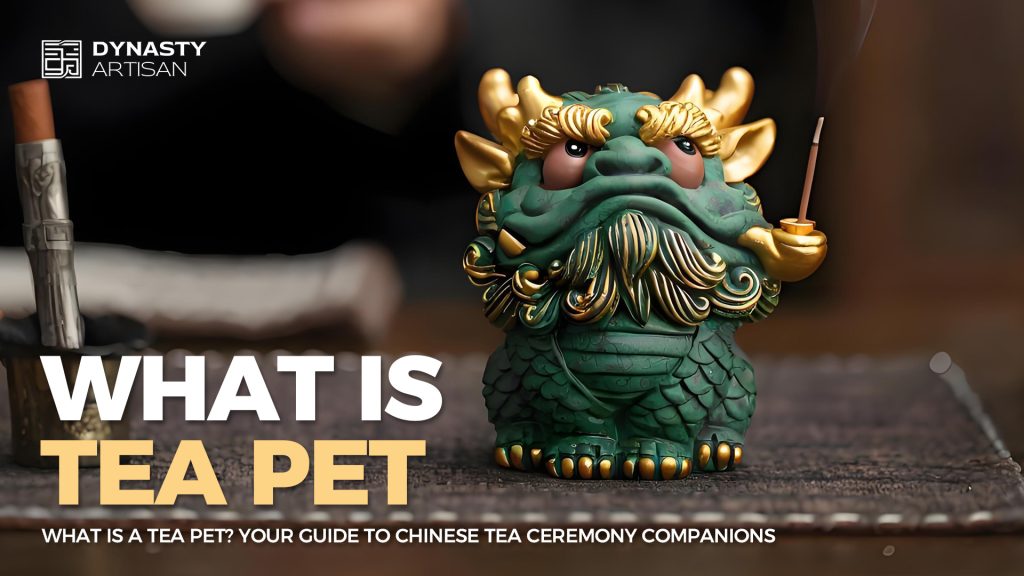
Imagine preparing a traditional Gongfu tea session. You’ve warmed your teapot, measured the leaves, and the water is ready. But on your tray sits a small, whimsical figure—perhaps a dragon or a wise turtle. This isn’t just a decoration. It’s a tea pet.
Far more than an ornament, this figurine is a cherished part of Chinese tea culture. It serves as a silent companion, witnessing moments of tranquility. So, what is a tea pet? Essentially, it’s a small clay sculpture placed on the tea tray. Enthusiasts ceremonially “feed” it by pouring leftover tea over it, which nurtures its patina over time.
For the connoisseur, understanding this purpose transforms tea drinking into a deeper cultural practice. These artifacts embody heritage and handcraftsmanship, much like the philosophy at Dynasty Artisan, where every piece tells a story. Let’s explore the tradition, artistry, and charm behind these fascinating figures.
Table of Contents
-
The Purpose and Meaning of a Tea Pet
-
How to Use and Care for Your Companion
-
Artistry and Materials: Yixing Clay and Ceramic
-
Popular Designs and Their Symbolism
-
Tea Companions Across Cultures
-
Choosing Your Perfect Figurine
-
Research & Reference
-
FAQ
-
Conclusion
The Purpose and Meaning of a Tea Pet
Knowing the purpose of these figures is key to appreciating their role. They blend practical ritual with philosophical meaning.
-
A Ritual Companion: The primary use is ceremonial. During a session, the first rinses of tea often go over the figurine. This act includes it in the ritual, creating a shared moment. Consequently, as tea oils build up, it develops a rich patina, becoming a visual record of your journey.
-
A Symbol of Fortune: Many designs draw from auspicious Chinese mythology. Nurturing them with tea is thought to attract good luck and protection. Therefore, the meaning is deeply tied to wishes for prosperity and well-being.
-
A Showcase of Craft: High-quality pieces, especially from porous Yixing clay or Zisha, show fascinating traits. For instance, some are interactive spitting frog designs that eject water when heated. Others are color-changing types that react to temperature.
How to Use and Care for Your Tea Pet
Using one is simple yet intentional. First, place it on your tea tray. Then, as you brew, consistently pour discard rinse water or leftover tea over it. Use a soft brush occasionally for cleaning, but avoid soap to keep the pores open. With regular care, your purple clay or ceramic piece will develop a deep, personal luster.
Artistry and Materials: Yixing Clay and Ceramic
The material defines the figurine’s character. The most revered is Zisha or Yixing clay, famous for teapots. This unique, unglazed clay is slightly porous, allowing it to absorb tea essence and develop a beautiful, uneven patina over years. Thus, a Yixing clay piece becomes a deeply personal treasure.
Ceramic options, often glazed, are also popular. They are less porous but allow for vibrant colors and intricate detail. Whether you choose the evolving character of clay or the precise beauty of ceramic, each type celebrates artisan skill.
Popular Designs and Their Symbolism
The variety of designs is a delightful exploration of symbolism.
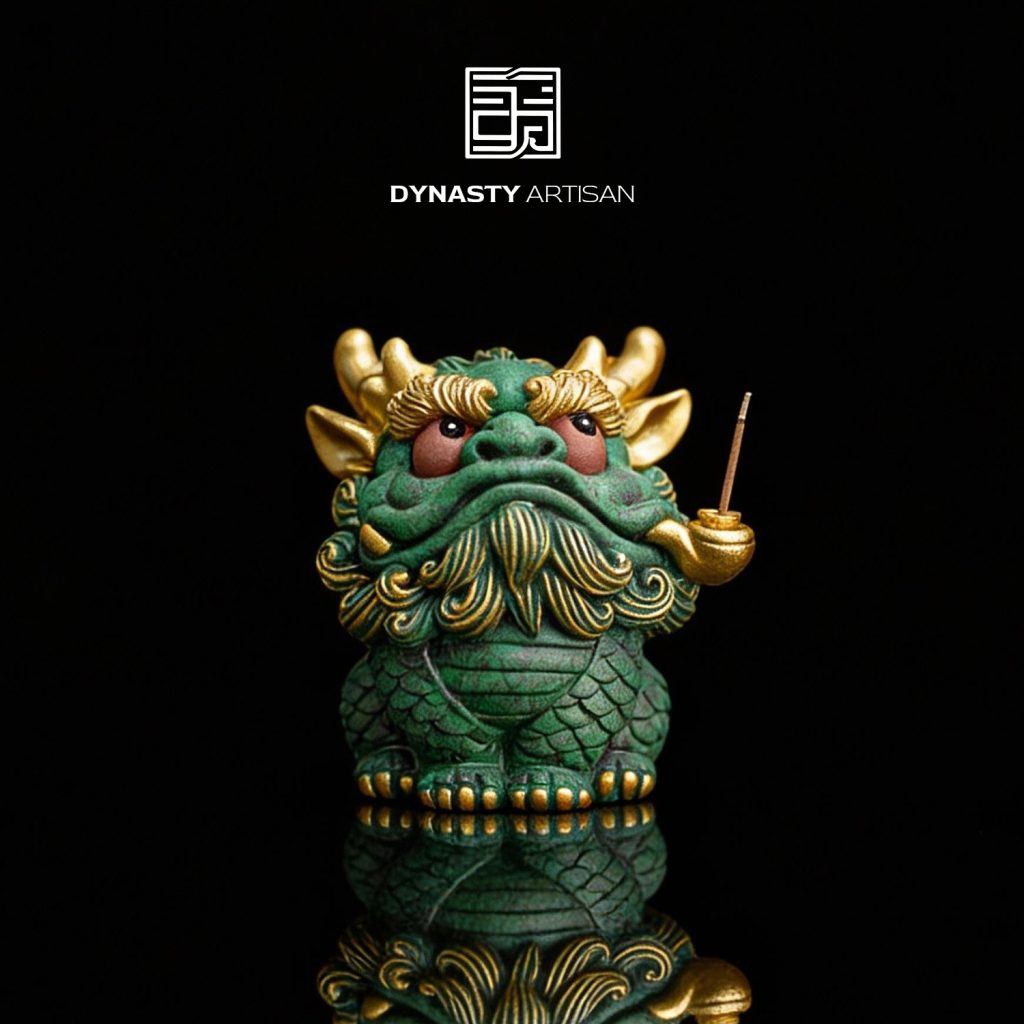
Dragon Tea Pet: Represents power, strength, and good luck. A Dragon Design embodies potent, auspicious energy.
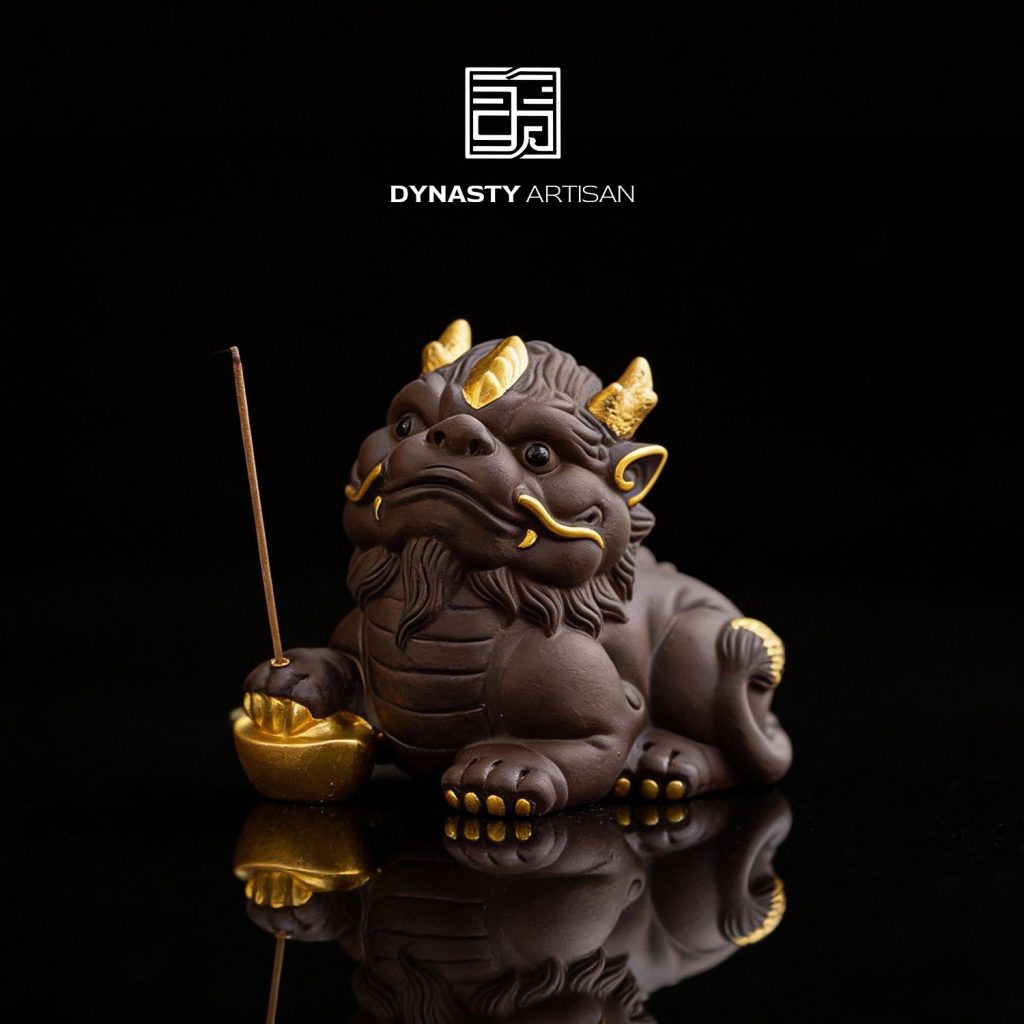
Pixiu Tea Pet: This mythical creature attracts wealth and guards against loss. A Pixiu Figure is a favorite for inviting prosperity.
Turtle Tea Pet: Symbolizes longevity, wisdom, and endurance.
Buddha Tea Pet: Often depicting the laughing Maitreya, it represents happiness and contentment.
Spitting Frog Tea Pet: A charming, interactive design where pouring tea causes it to “spit,” symbolizing the flow of wealth.
Tea Companions Across Cultures
While rooted in Chinese tradition, the concept of a ritual object exists elsewhere. Japanese versions, for example, are less common but reflect local aesthetics. However, the practice of nurturing a figurine with tea remains most strongly linked to the Chinese Gongfu tradition.
Choosing Your Perfect Figurine
Selecting one is a personal journey. Consider the material: do you prefer the evolving patina of unglazed purple clay or the bright permanence of ceramic? Let symbolism guide you—choose a figure whose meaning resonates. Most importantly, select a design that speaks to you, as it will be a longtime companion.
Research & Reference
The Classic of Tea: Origins and Rituals by Lu Yu, translated by Francis Ross Carpenter.
The Art of Tea: A Journey of Ritual, Discovery, and Impact by various scholars, published in Asian Art and Culture Journal, Vol. 12.
Yixing: The Chinese Art of Fine Clay Teaware by Jiansheng Zhao and Jinhua Zhao.
Symbolism in Chinese Material Culture: From Auspicious Motifs to Ritual Objects, an academic compilation from the University of Washington Press.
FAQ
What are they?
They are small, handcrafted clay figurines used in Chinese tea ceremonies. Enthusiasts place them on the tray and anoint them with tea, which develops a patina.
Can I use any tea?
Yes, you can use any leftover tea or rinse water. Different teas will impart slightly different tones to unglazed clay.
Yixing vs. ceramic?
A Yixing clay piece is porous and unglazed, absorbing tea to change color. A ceramic piece is usually glazed, retaining its original color but offering fine detail.
Do they have spiritual meaning?
While not religious, they carry strong cultural symbolism. The caring ritual is meditative, and designs are chosen for auspicious meanings like luck and protection.
Conclusion
Understanding what is a tea pet reveals a beautiful layer of tea culture. It is where tradition meets charm, and a simple ritual nurtures both an object and a mindful state. Ultimately, it is a witness to reflection and connection.
For those who seek to fully experience tea, this companion becomes essential. It represents a commitment to the art, the ritual, and the history behind every leaf. Discover a piece that resonates with your practice and adds a soulful touch to your ceremony.
Explore the curated collection at Dynasty Artisan to find your perfect companion.